
3D Printing in Making Pistons

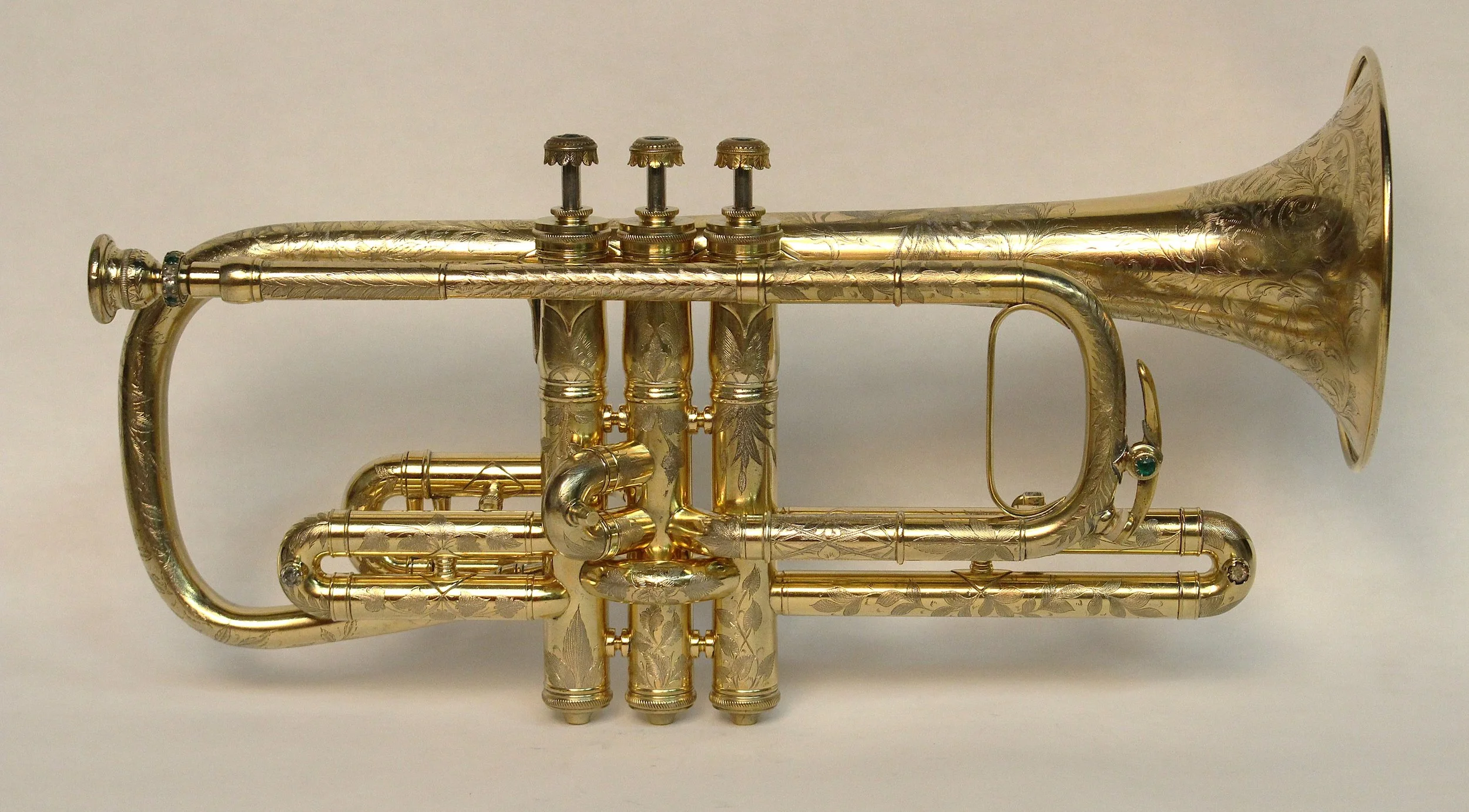

When I was 17 years old, I expected that I would have my own repair shop some day. But, I would not have dreamed that I would own a computer, and what a crazy idea that it could become central to much of my life. Designing parts “in the cloud” and owning machines that can make them was science fiction to that boy. Of course, numerically controlled machines had been around since the 1940s and by the mid-1970s, with the use of small, affordable computers, it was just becoming feasible for a well equipped machine shop to make use of the technology. Today, there are computer numerical controlled machines intended for the hobby shop and 3D printers for every budget.
The idea to make plastic 3D printed piston inserts had been stewing for years. For 30 years, I had been willing to make replacement pistons for customers when they were willing to pay for them. “Reverse engineering” original unrepairable and missing pistons without the tools that were designed for that particular design is a challenge, especially as arthritis does its nasty work. The hardest to replace are the original double wall Perinet piston design and variants of those that used the original technology. The pistons were made by bending correctly shaped pieces of sheet metal to insert in the inner piston, connecting the holes and silver soldering in place. That assembly was then made round and fit to the outer piston, lining up the holes. I have no intention of going that far in the engineering for each piston. The alternative, using modern piston making techniques does not result in the same assembly. I could argue that it is superior, but the extent that the ports within the pistons interfere with the adjacent port makes for quite a challenge.
At the time of this writing, I have made only three sets of pistons, plus two single pistons for my own projects, getting acquainted with the technology. There must be more to learn and efficiencies gained with more work, but these have all been very successful. I don’t present this page as a promotion of the technique, but to share the ideas and successes so far. This is especially important since, so far, it doesn’t seem to take less time to make pistons this way. Originals still have to be carefully measured for proper alignment of each hole and the cut into a tube of brass or other alloy and the original valve guide mechanism must be remade or adapted to the new piston.
As an experiment, I decided to fit a plastic piston without a metal sleeve, only plastic fit to the casing. As I had guessed, it had to be fit more loosely to function at all and never had action fast enough to match the original metal pistons. This option is still viable in a case of a historically important instrument that we otherwise would never heard played at all.


The first test case project was a very interesting Butler’s soprano that was left with me more than 20 years before by jazz trumpeter Tom Holden. He wanted it restored, but I told him that it would cost more to restore than it was worth. We discussed it occasionally, but I would have to explain that my labor would only get more expensive. Eventually, he told mw that he wanted to give me the instrument. As a retirement project, the cost in time no longer matters and I decided to restore it as best I could. It has three original style Perinet pistons as described above, so a perfect case to try making plastic inserts for new pistons.